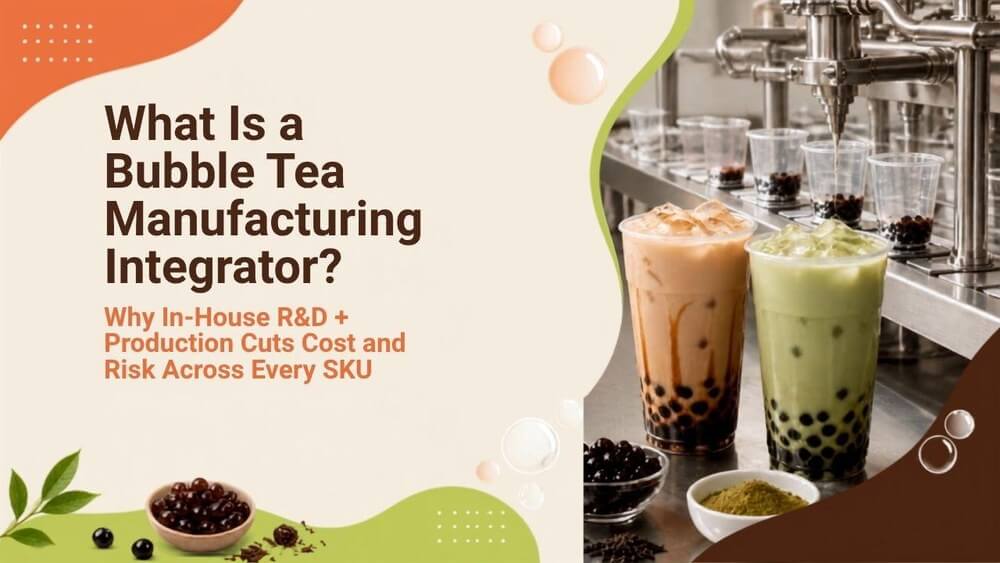
A bubble tea manufacturing integrator is a supplier that combines in-house R&D with cross-category, in-house production — able to take a product from formulation and flavor sampling (standard lead time: 7–14 days) through pilot runs, mass production, private-label packaging, and consolidated export. Skip that check at sourcing stage and the cost shows up later: a reduced-sugar reformulation or a Halal-compliant recipe change means restarting the supplier search, not a quick adjustment with the one you already have. A trading company cannot touch a formula, and a single-category factory's development scope stops at its own product line — an integrator does not stop at one line; it develops and produces every category a bubble tea menu needs from a single site. For importers, distributors, and chain brands, R&D-plus-manufacturing under one roof means three things: exclusive formulas can actually be developed, what you sample is what you get at scale, and one partner is accountable for quality across every stock-keeping unit (SKU) — checked independently at raw-material intake, in-process, and before goods leave the factory, not just against a supplier's own paperwork. With the global bubble tea market growing 8–9.6% annually toward USD 4.72 billion by 2031 (Mordor Intelligence, Bubble Tea Market Size & Growth Trends, 2026–2031), “does the supplier own its R&D and production lines?” has become the first qualifying question. That question is also, as with any sourcing decision, the difference between a vendor and a partner. Taiwan-based BubblePhil (T Foods Co., Ltd.) has run this model from its Taoyuan facility for more than three decades, serving B2B customers across the UK, France, Germany, the Netherlands, the US, Canada, Australia, Vietnam, Singapore, and Dubai.
Buying from a patchwork of trading companies and single-category factories hides three costs that don’t surface until a brand tries to scale or reformulate. First, fragmented quality accountability: when pearls, syrups, and toppings come from different plants, every defect turns into finger-pointing. Second, stacked logistics costs: multiple suppliers rarely consolidate into one container, so freight and minimum order quantity (MOQ) thresholds rise together. Third — and most limiting — an R&D gap: a trading company cannot modify a formula, so a reduced-sugar version, an exclusive flavor, or a regulatory reformulation means starting over with a new supplier.
A manufacturing integrator folds all three into one system: one contact window, one quality system, one consolidated container — and your next product is developed in the same factory that will produce it.
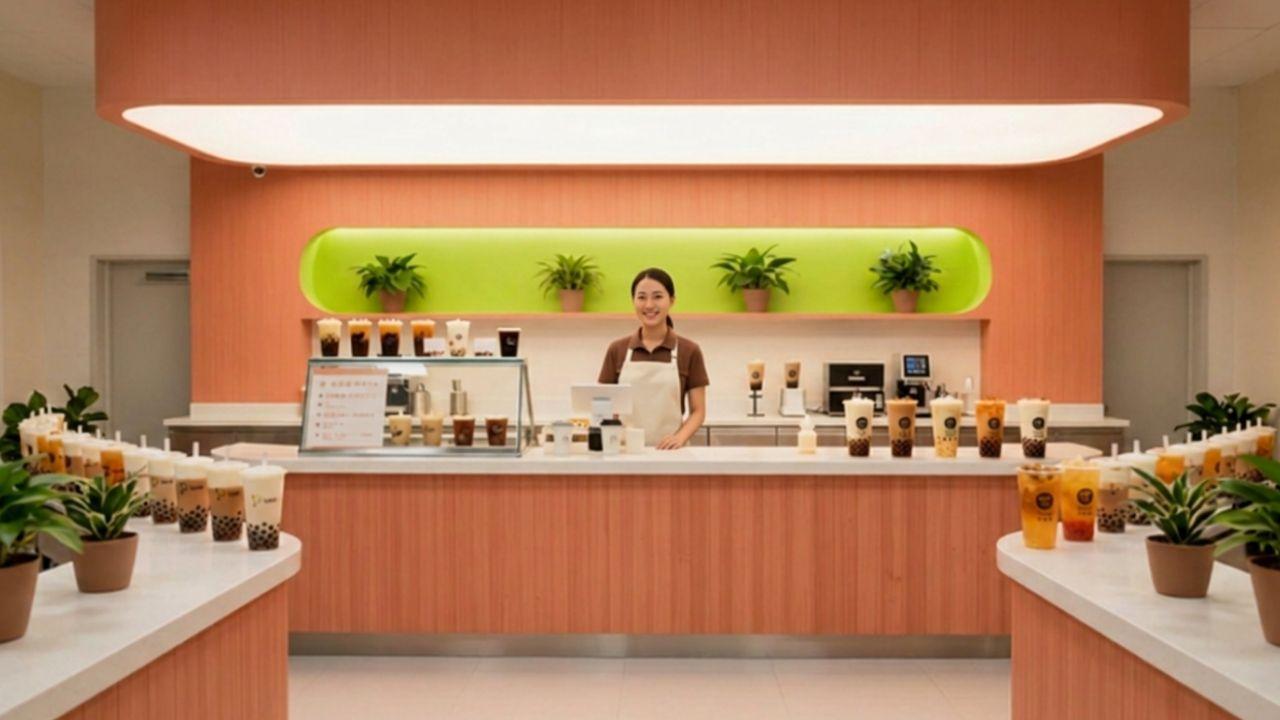
That system runs through four linked stages, each handled inside the same facility:
Supplier type is the filter that narrows the search, not the proof of quality — the table below lines up the three models side by side, but accreditation and independent testing are what actually confirm which one delivers consistency at scale.
| Attribute | Trading company | Single-category factory | Manufacturing integrator (BubblePhil) |
|---|---|---|---|
| In-house R&D | None | Own category only | Cross-category team; fully custom formulas |
| Sampling lead time | N/A | Varies | Standard 7–14 days |
| Production | No factory | 1–2 categories | 7 categories, all in-house |
| Quality accountability | Fragmented | Own products only | One window for every SKU |
| Container consolidation | Depends on sources | Self-arranged | Mixed containers as standard |
| Certifications | Varies by source | Single plant | HACCP / ISO 22000 / FSSC 22000 / HALAL / Kosher across all lines |
| Supply-chain risk | High | Medium | Low — capacity balanced internally |
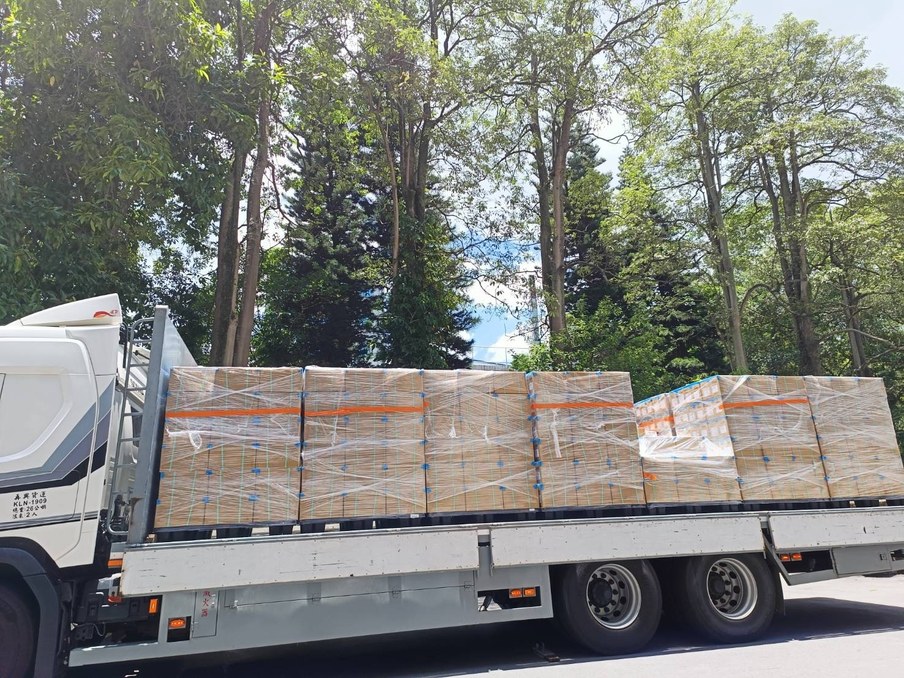
Put into practice, that model looks like this:
The certifications confirm the system is accredited. Three decades of clients across ten export markets are what confirm the system delivers at scale.
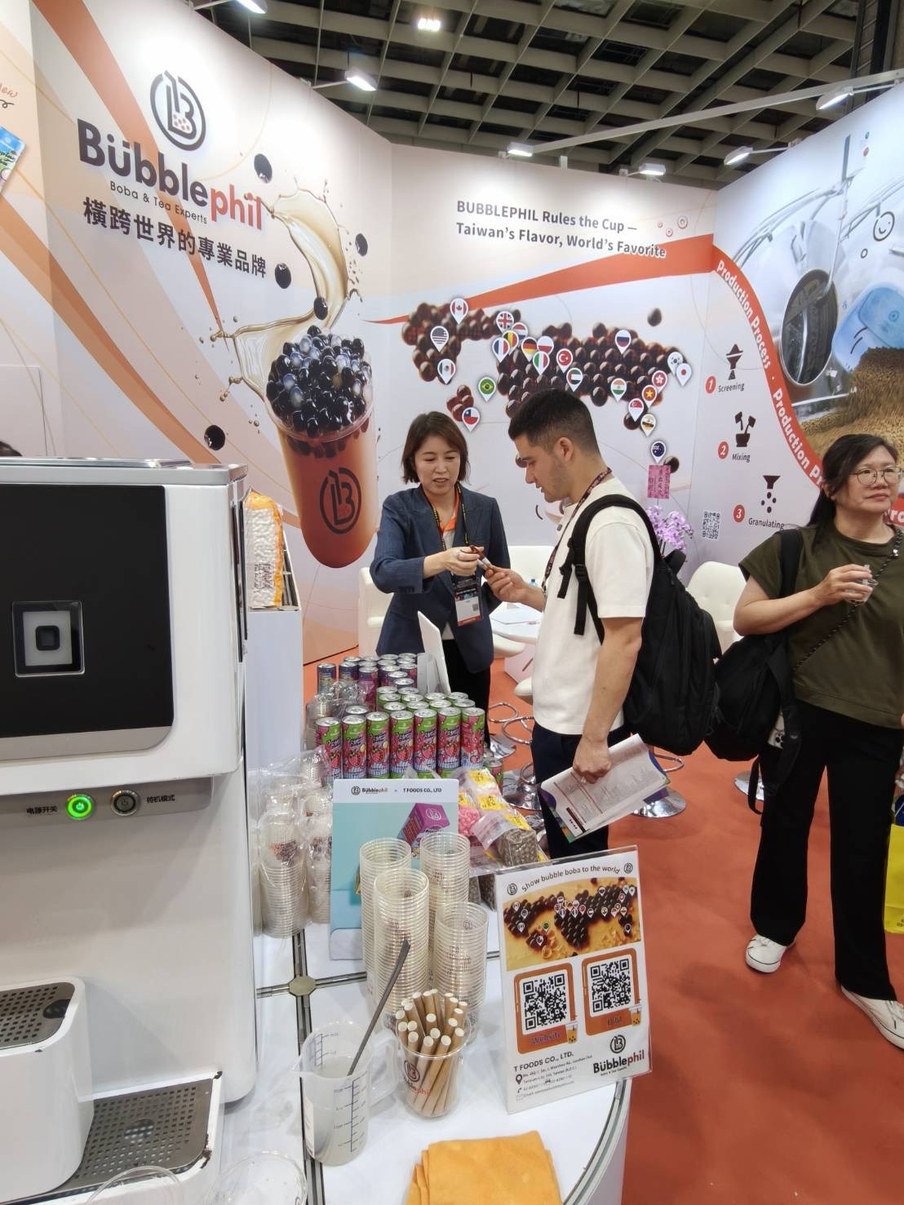
These are the questions B2B buyers ask most often before committing to a manufacturing integrator — covering R&D verification, formula ownership, cost, and low-volume entry.
Q: How do I verify a supplier has real R&D capability?
A: Request a specific customization — e.g., 30% sugar reduction or a Halal-compliant reformulation. A trading company cannot execute it; a true R&D manufacturer will reply with a concrete sampling process and timeline. BubblePhil's standard sampling lead time is 7–14 days.
Q: Who owns an exclusive formula developed under OEM/ODM?
A: Formula exclusivity and confidentiality can be contractually agreed so your private-label product is never offered to other customers. Confirm terms at the start of the project.
Q: Is an integrator more expensive than a trading company?
A: Unit prices are comparable, but after consolidated freight savings, avoided quality disputes, and no re-development costs, total landed cost is usually lower.
Q: I only need one product for now — is an integrator still the right choice?
A: Yes. Start with a single SKU; when you later expand the menu or launch a private-label line, the R&D team and production lines are already validated — no new supplier search.
If you're evaluating a bubble tea supplier, comparing sourcing models, or scoping an OEM/ODM specification, the most direct next step is a conversation with BubblePhil's sourcing team — or a look at the OEM/ODM capability page first.
Explore BubblePhil's OEM/ODM capability | Contact us to request samples or discuss your sourcing requirements